A Modern Landmark Rooted in Najdi Identity
Project Details
Project Name: Yammi Offices 01
Project Type: Mixed-Use (Offices + Retail + Cafés)
Location: Riyadh, Saudi Arabia
Design Studio: HRarchZ
Lead Architect: Zakaria Eliwi
Offices, cafés, and retail spaces shaped by the spirit of Najd.
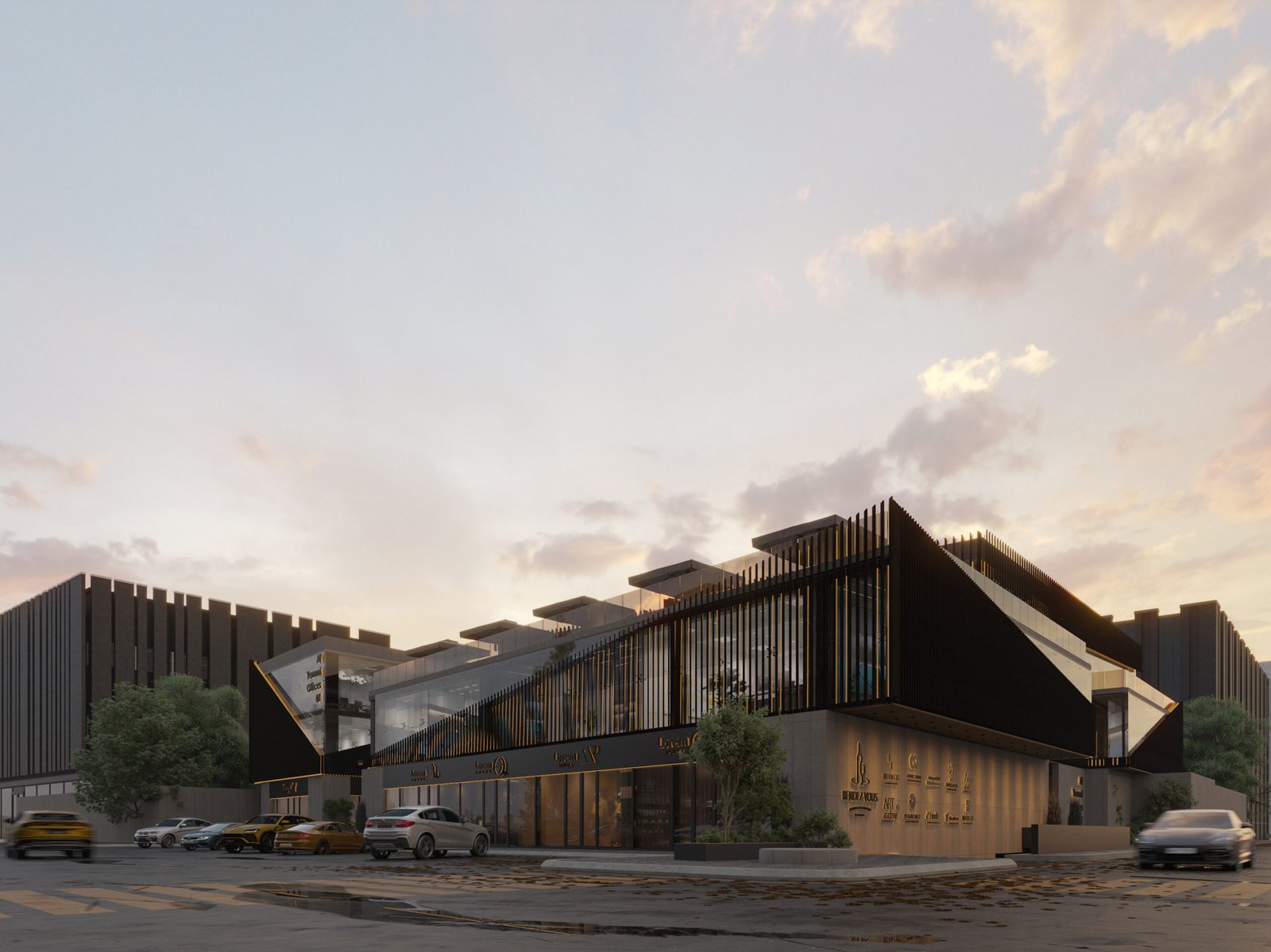
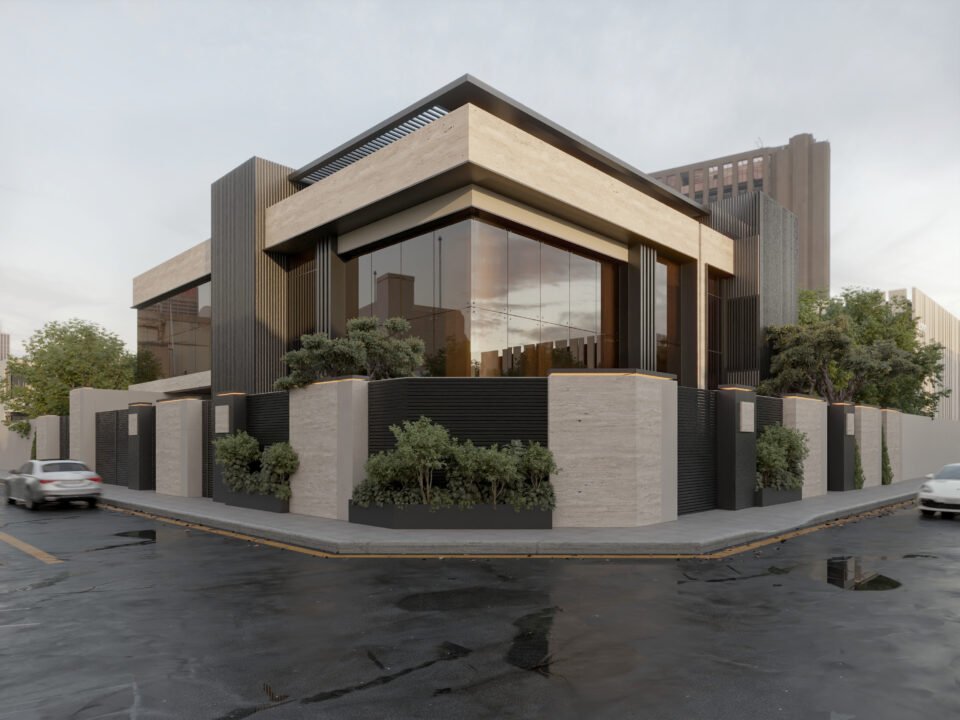
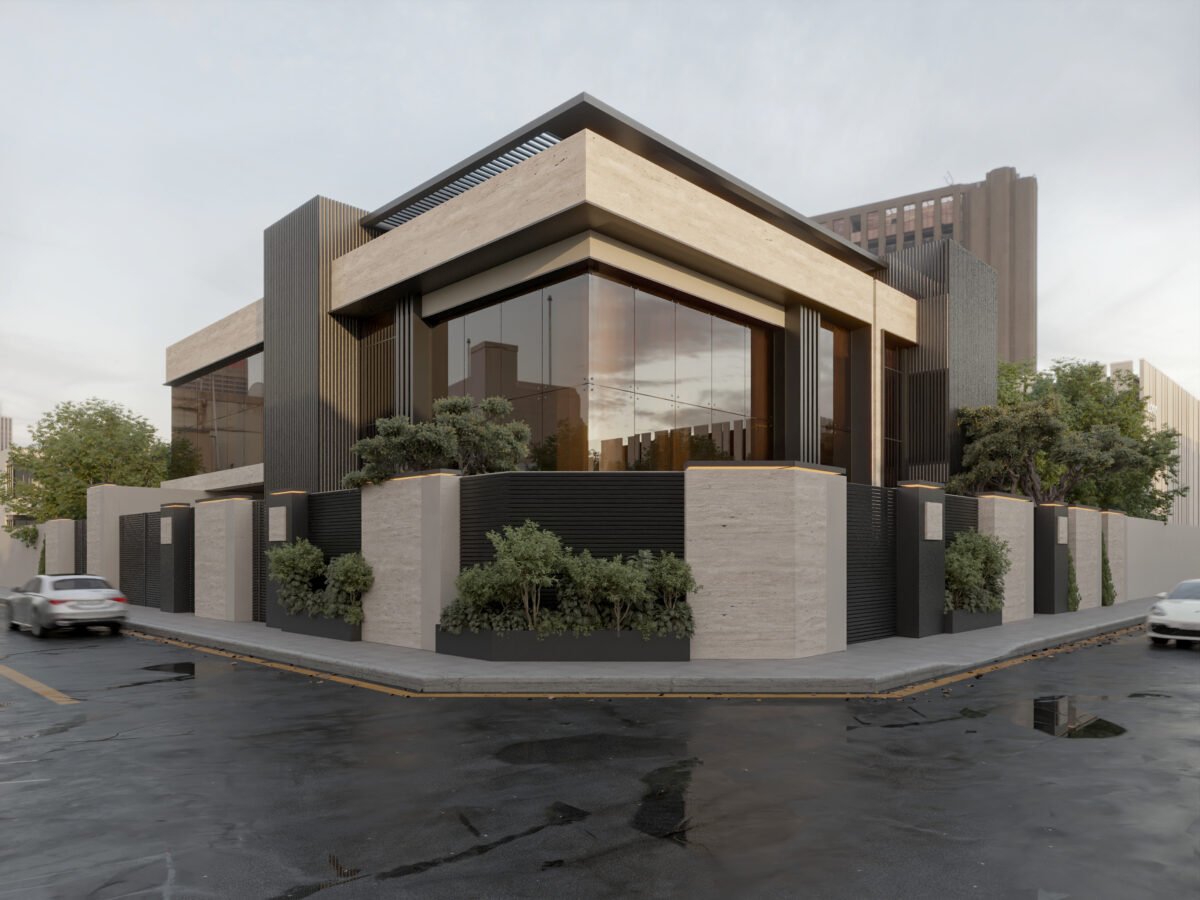
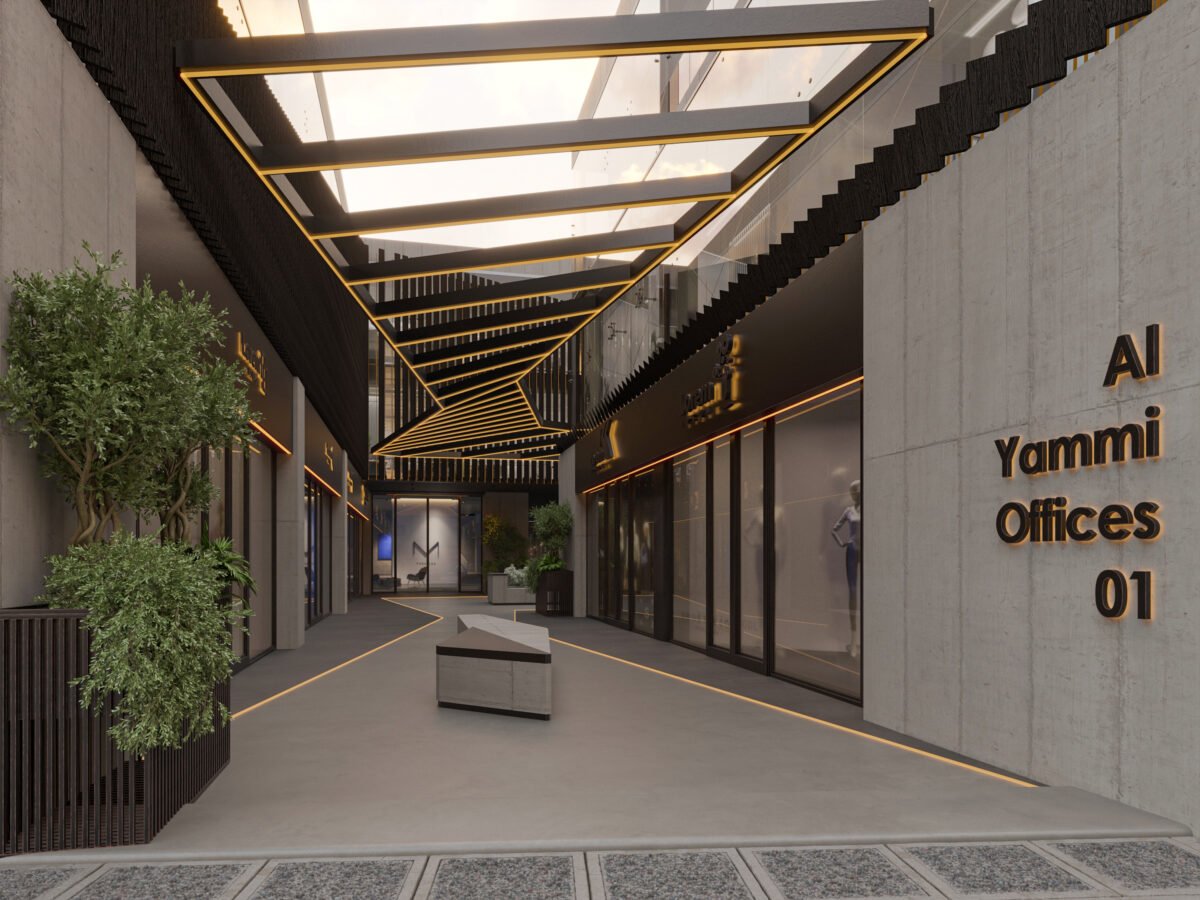
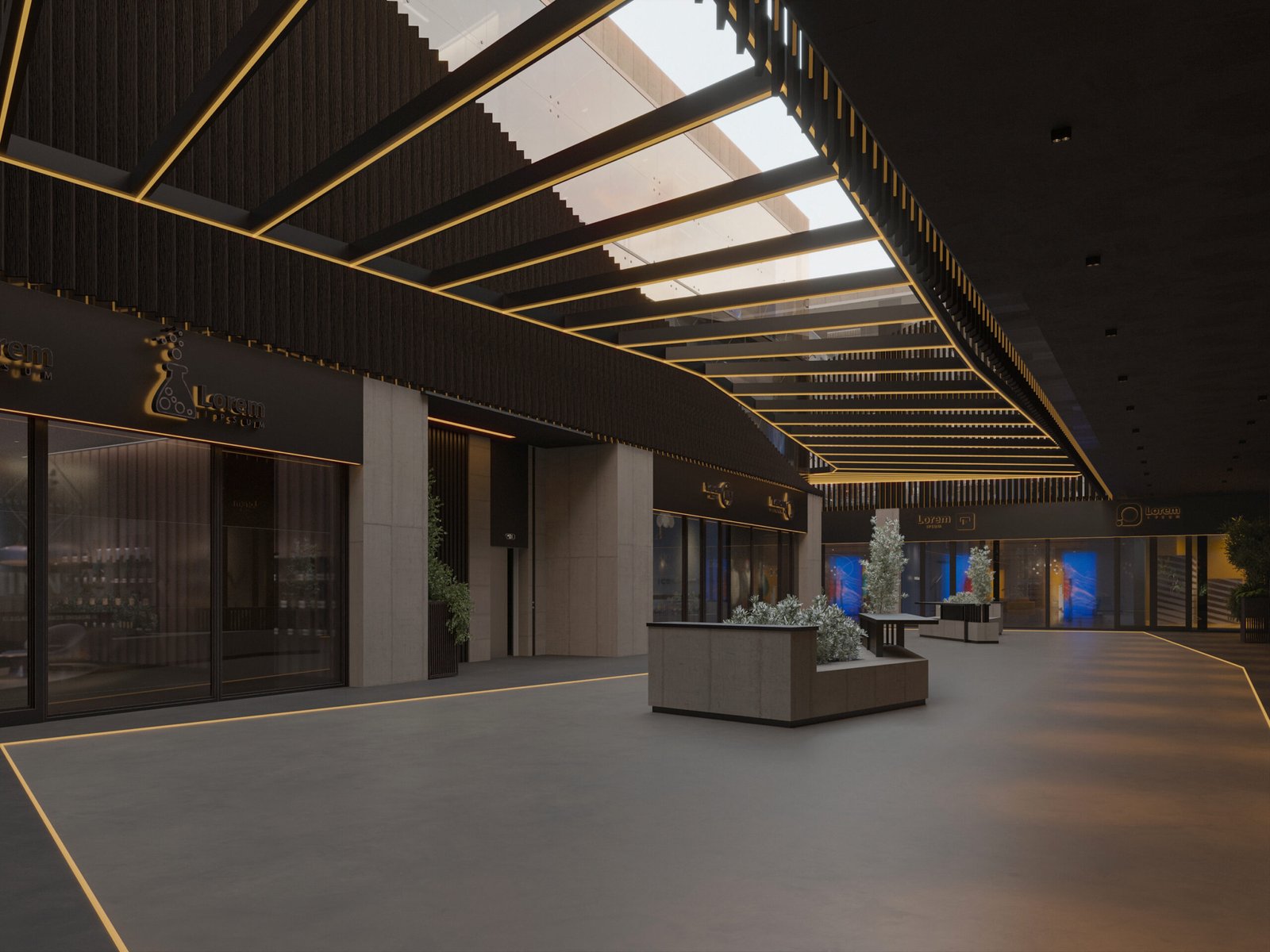
This mixed-use development in Riyadh redefines the modern workplace by integrating office spaces with ground-floor cafés and retail. Designed by HRarchZ, the project balances contemporary architectural expression with subtle references to Najdi heritage. A central open-air corridor, framed by rhythmic lighting elements and shaded structures, creates a vibrant social spine that enhances user interaction and comfort.
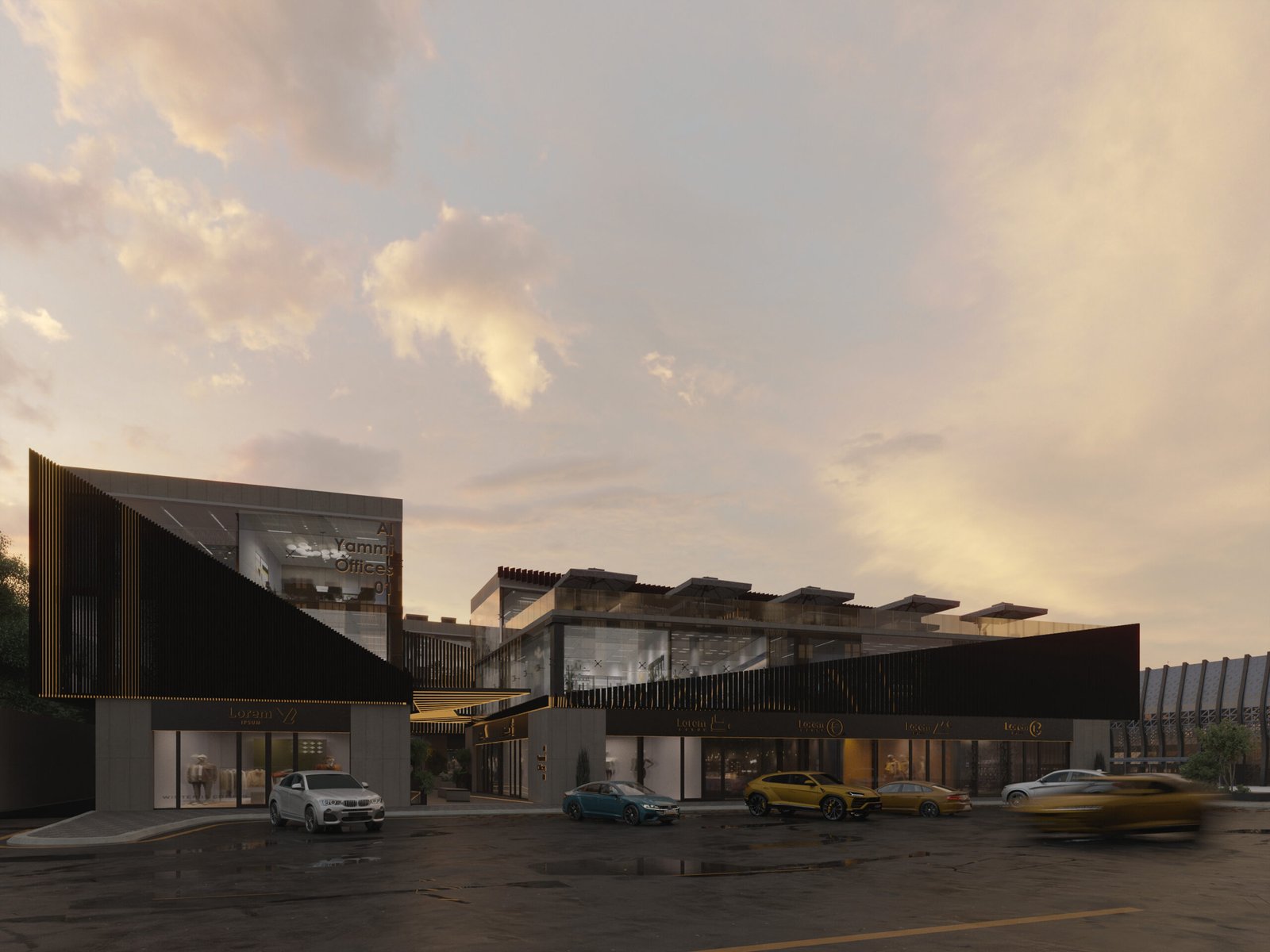
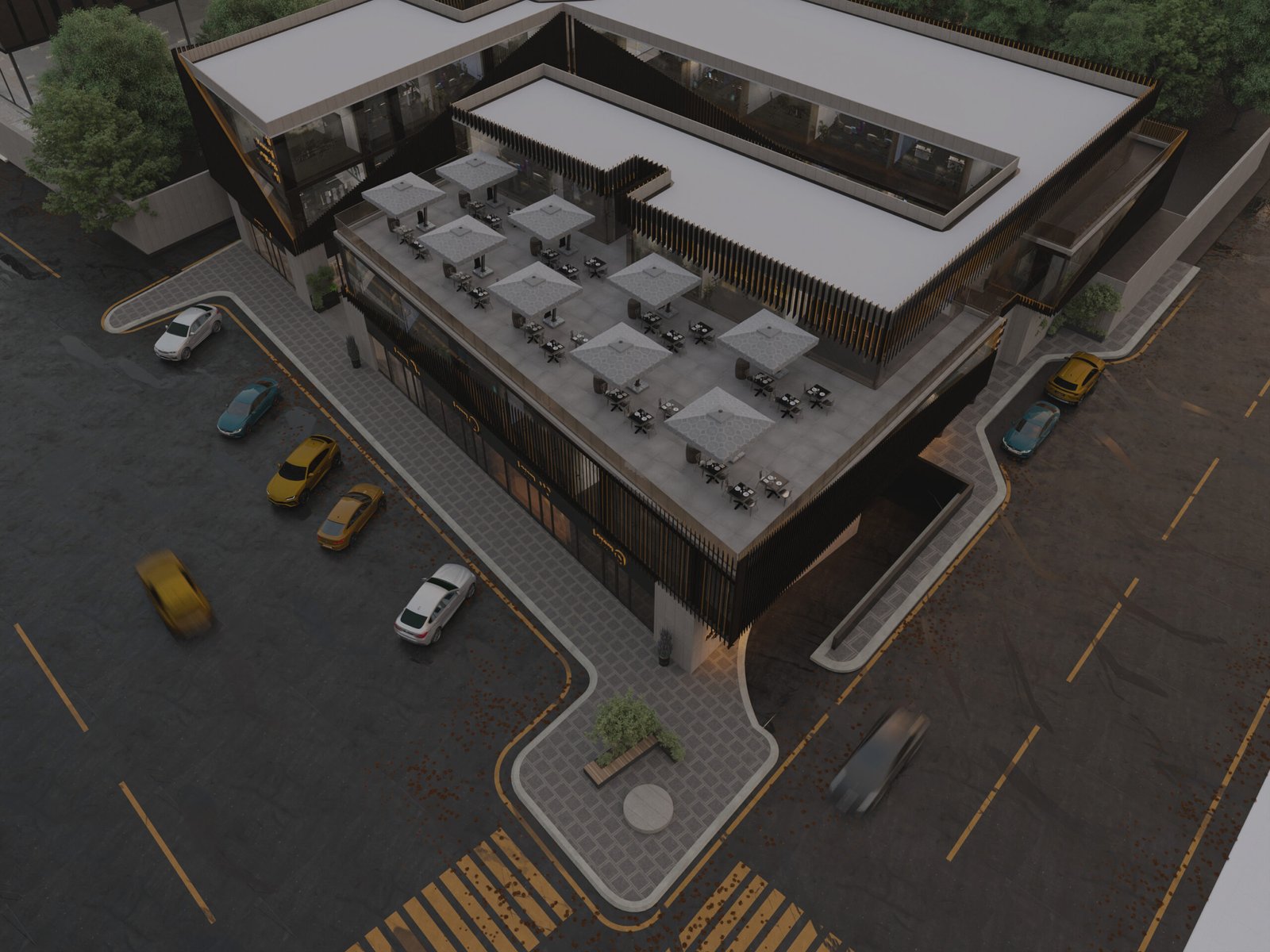
The project explores the relationship between heritage and modernity, translating the essence of Najdi architecture into a contemporary urban context. The design is centered around a linear courtyard spine, reminiscent of traditional Najdi urban patterns, where movement, gathering, and commerce intersect.
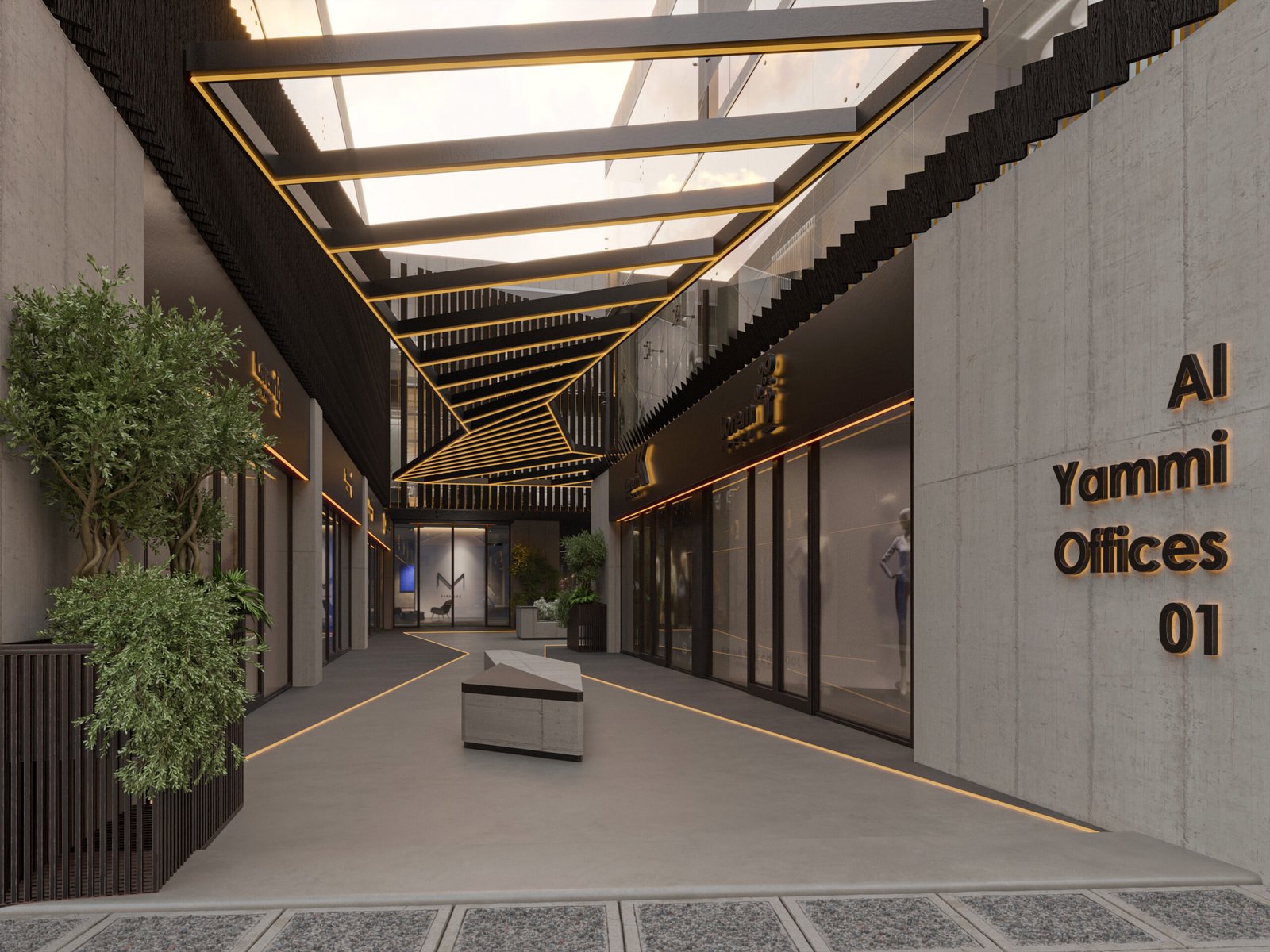
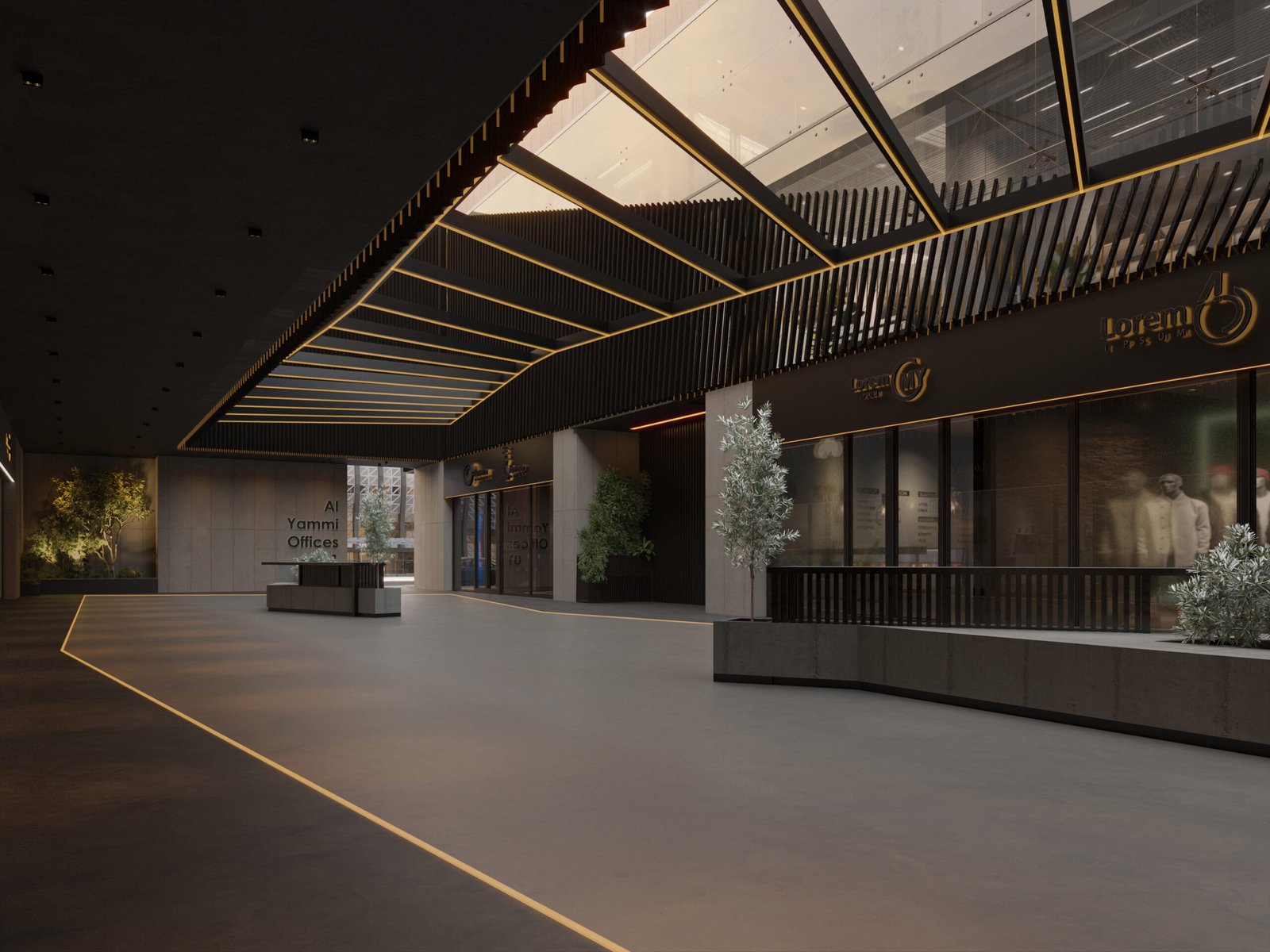
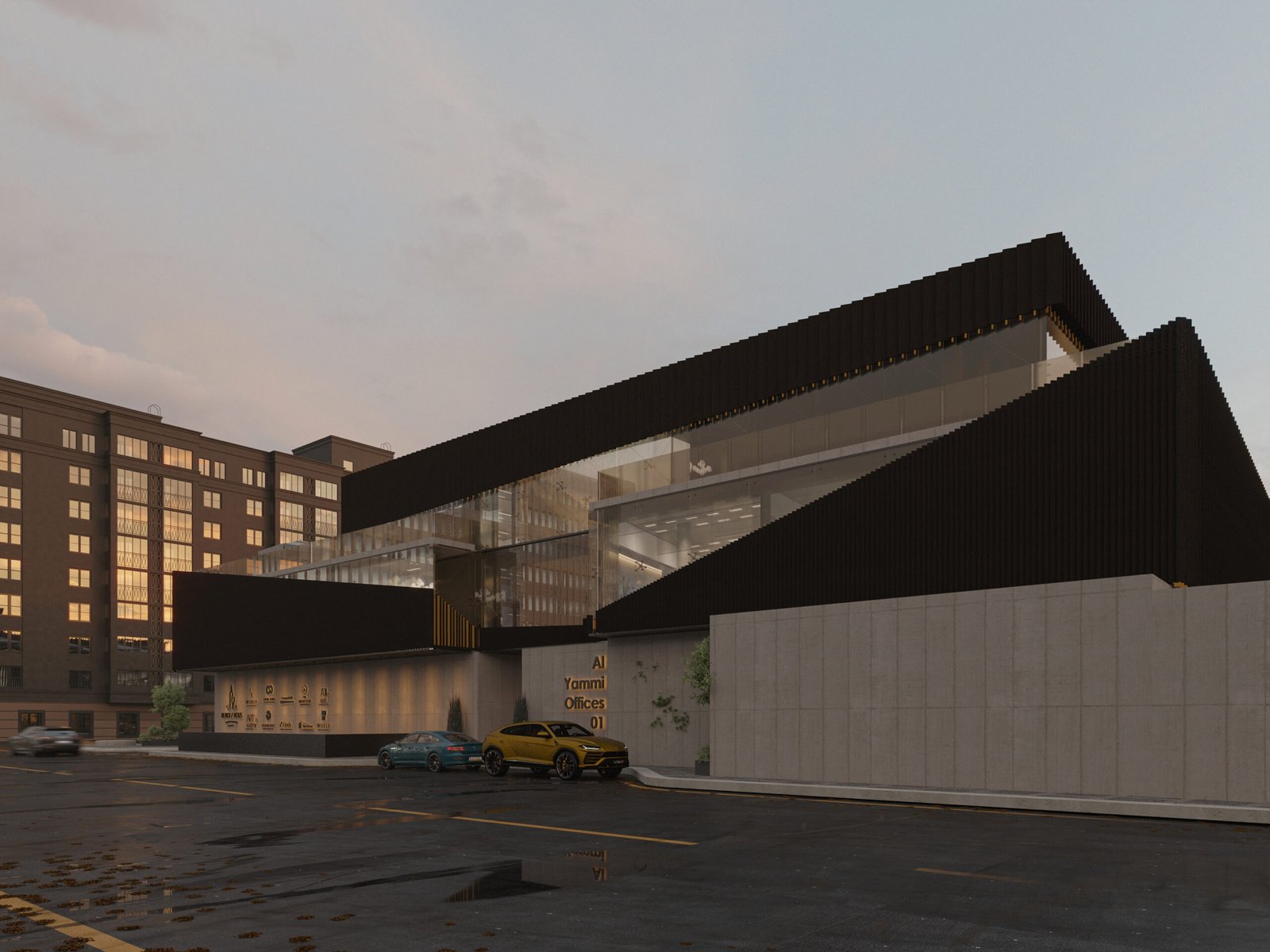
Shading devices, vertical fins, and layered façades reinterpret traditional climatic responses, while integrated lighting systems create a dynamic identity both day and night. The use of warm tones and controlled transparency fosters a sense of intimacy and openness simultaneously.
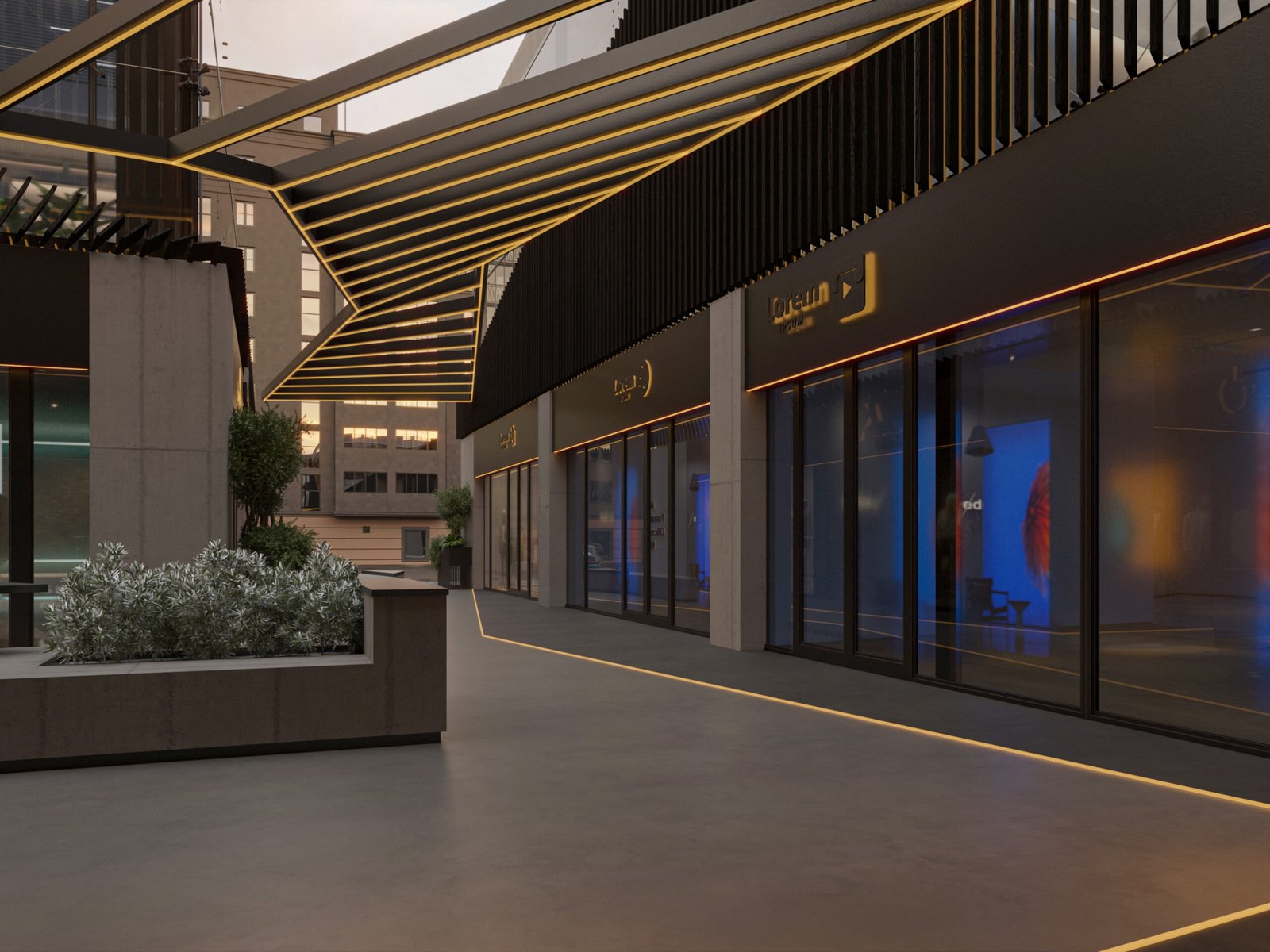
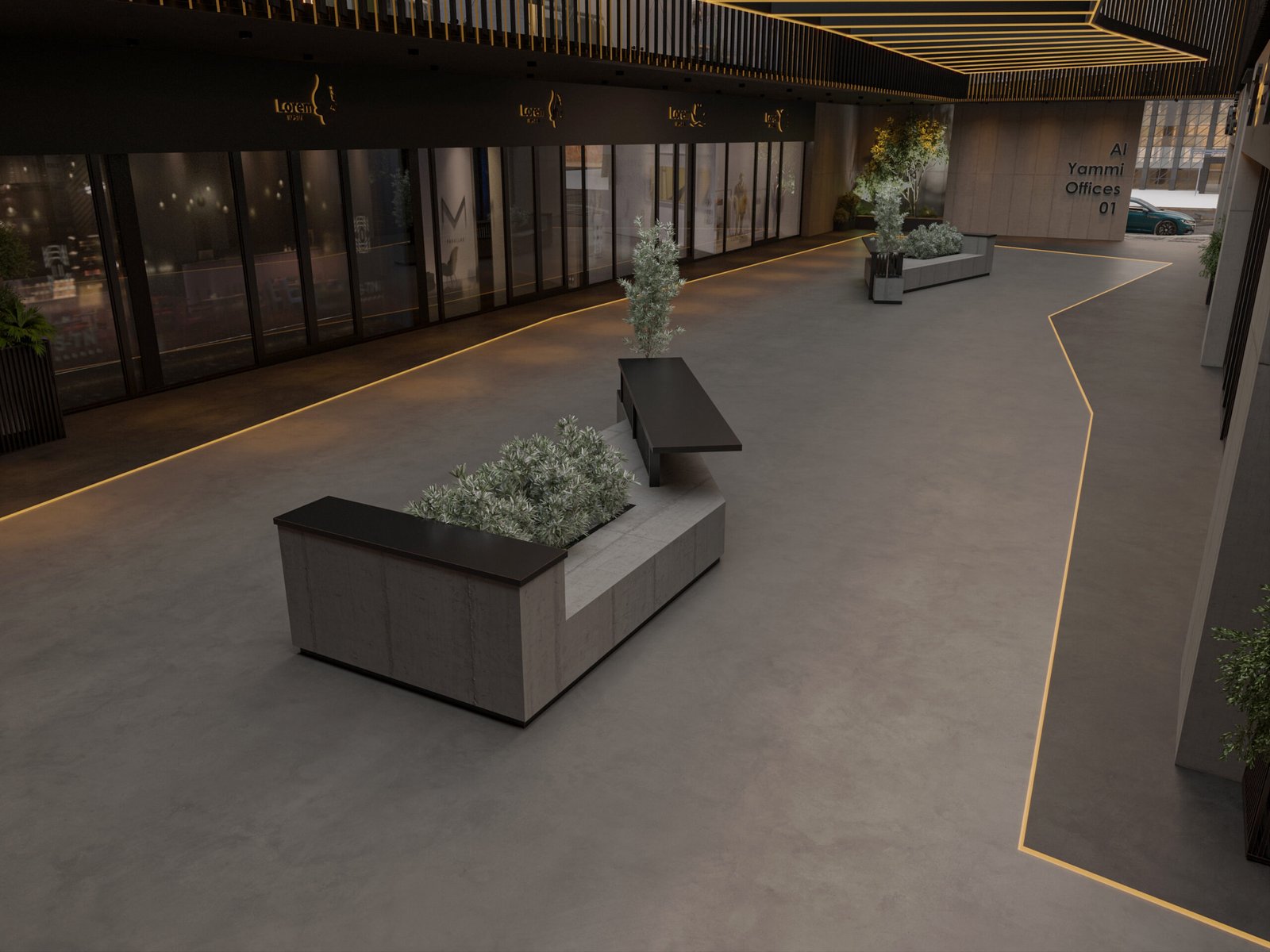
By activating the ground floor with cafés and retail, the project becomes more than an office building—it transforms into a social and cultural destination, encouraging interaction and community engagement.
video
Design Concept
The concept is driven by three key principles that shape the identity and experience of the project. First, the design reinterprets traditional Najdi architecture through a contemporary lens, drawing inspiration from elements such as courtyards, shading strategies, and the balance between solid and void, while expressing them in a modern architectural language. Second, the ground level is activated to create a vibrant pedestrian environment, where cafés, retail spaces, and landscaped seating areas come together to encourage movement, interaction, and social engagement. Finally, light plays a central role as a defining element of the project’s identity, with linear lighting systems guiding circulation, reinforcing spatial hierarchy, and creating a distinctive visual character, particularly during the evening hours.