A Contemporary Guest Villa in Riyadh
A refined architectural response to Saudi hospitality, separating public and private realms across two levels.
Project details
Project Type: Private Guest Villa
Location: Riyadh, Saudi Arabia
Design Studio: HRarchZ
Lead Architect: Zakaria Eliwi
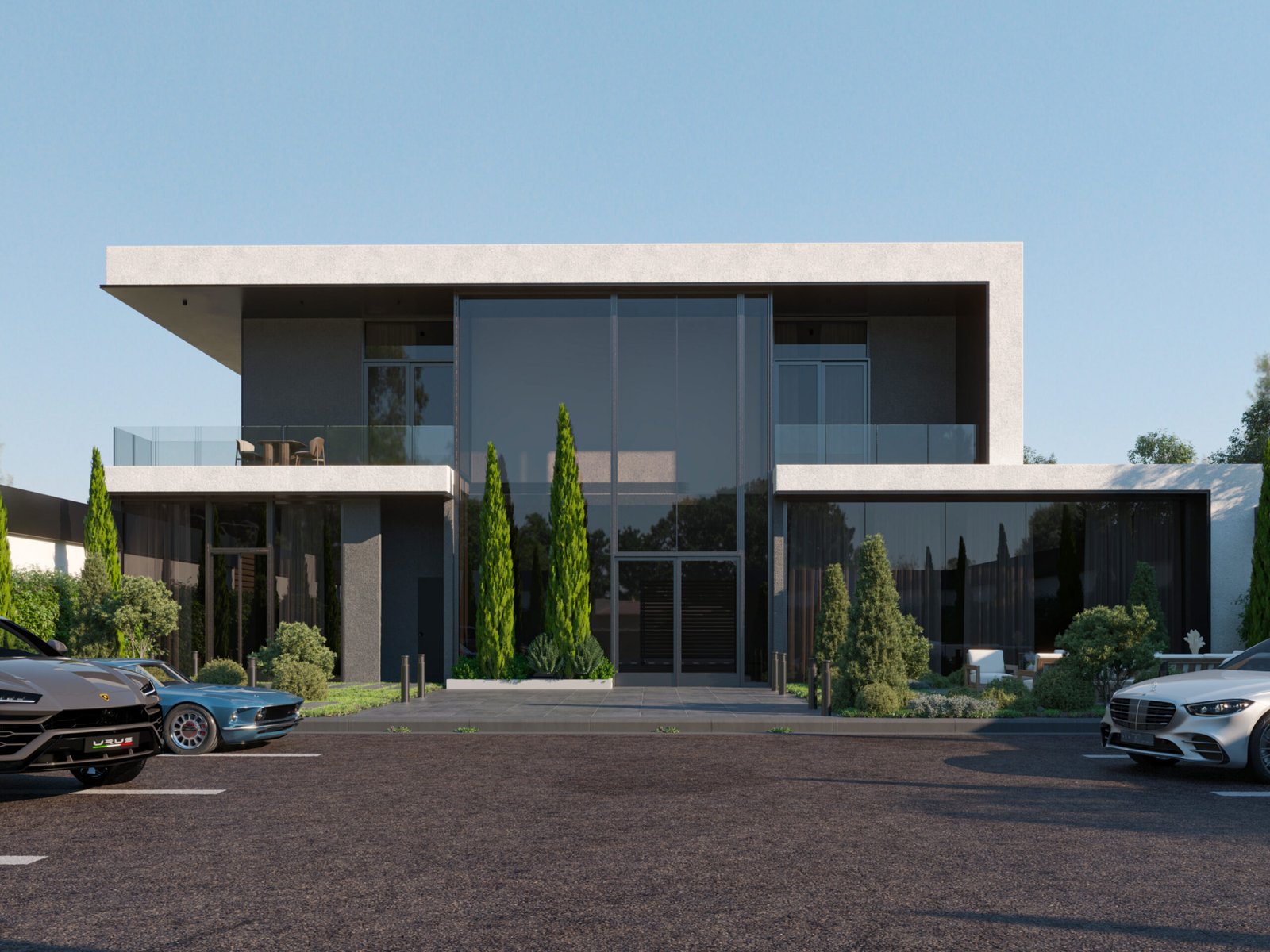
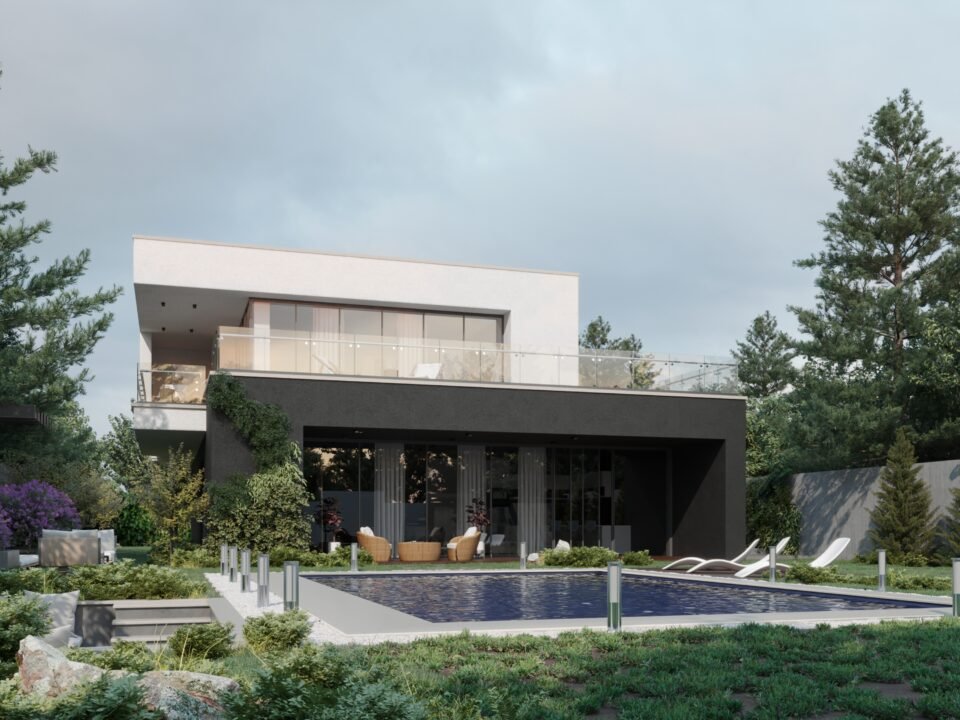
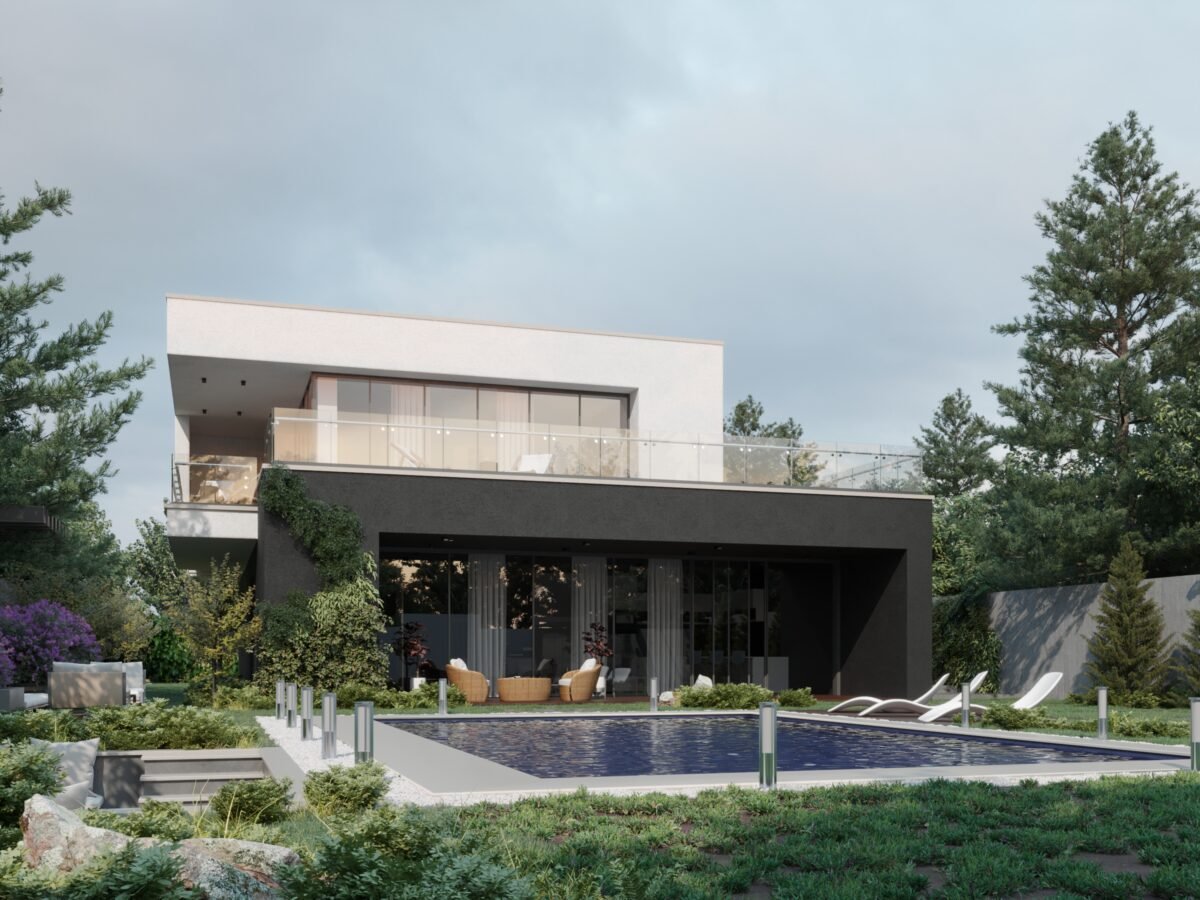
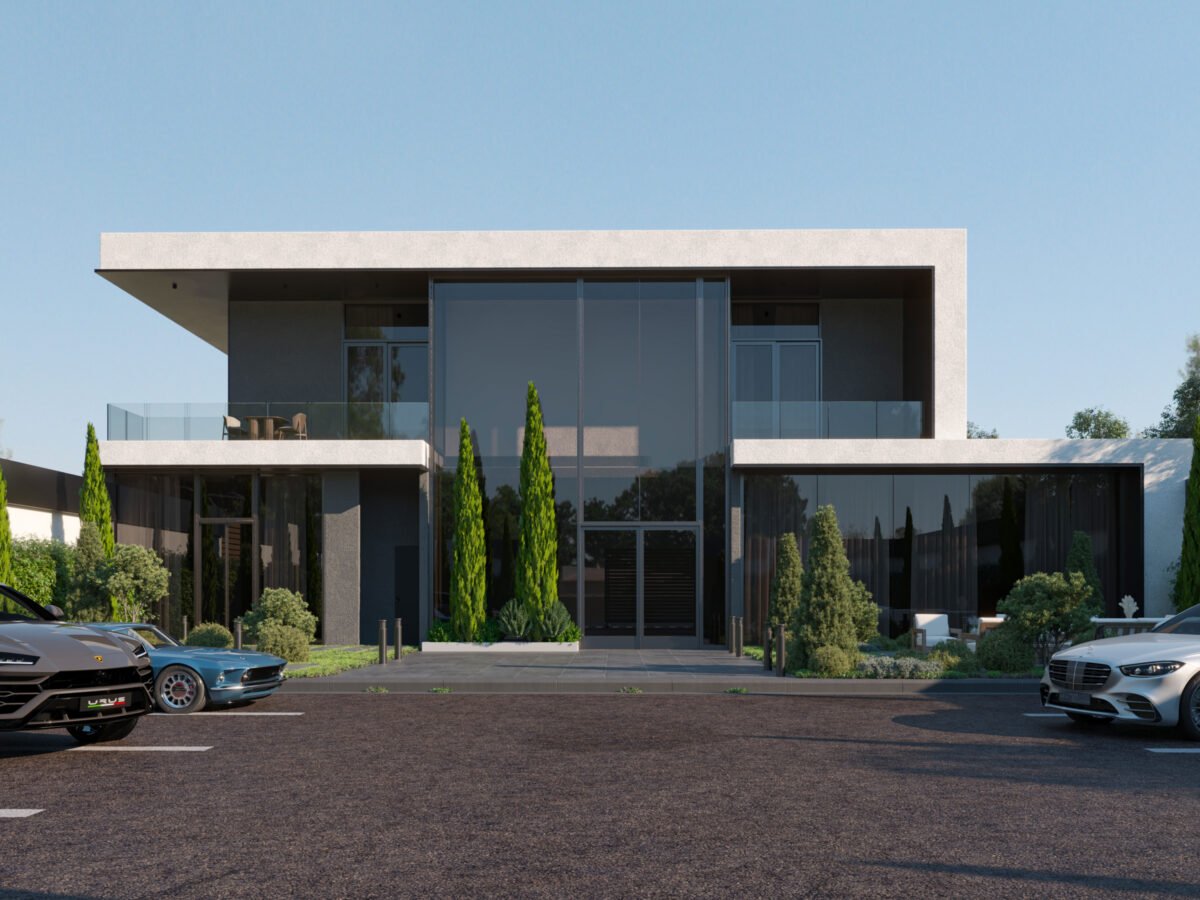
This private guest villa in Riyadh is designed to reflect the essence of Saudi hospitality through a contemporary architectural language. The ground floor is dedicated to male guests, offering a welcoming and open majlis experience, while the upper floor provides a private and comfortable setting for female guests. The design balances cultural values with modern aesthetics, using clean lines, large glass façades, and carefully curated landscaping.
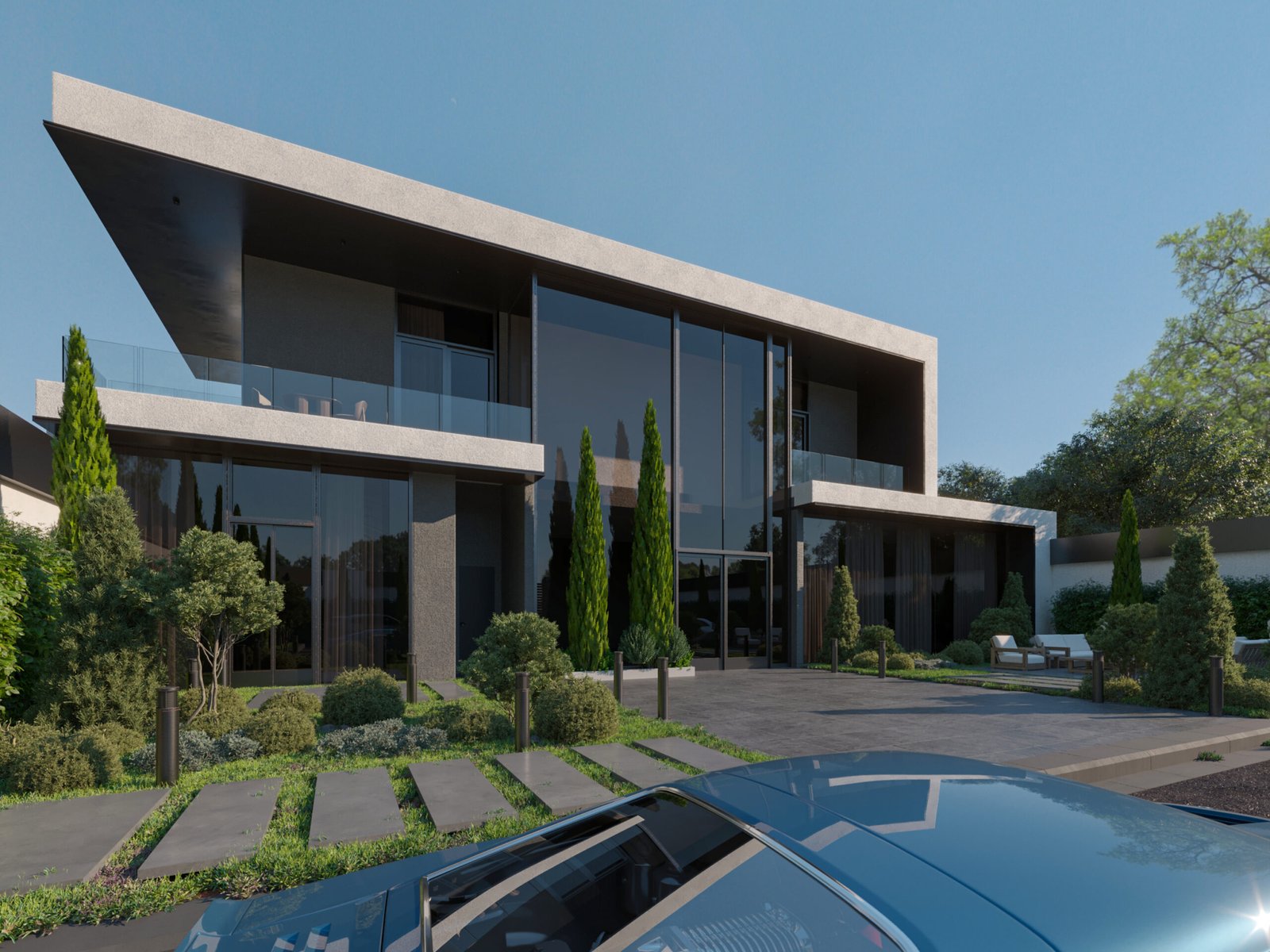
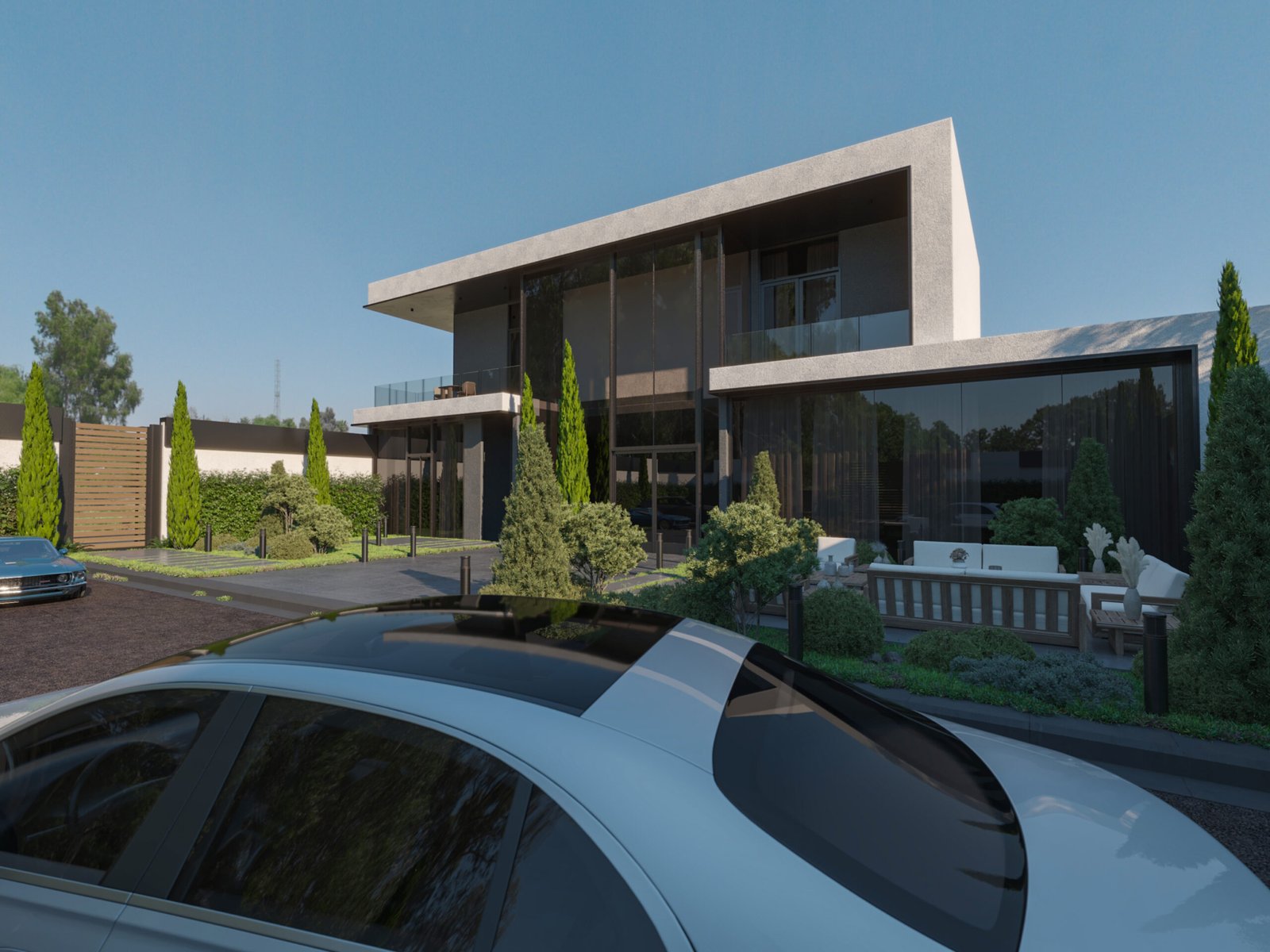
The design of this guest villa is rooted in the cultural importance of hospitality in Saudi Arabia. The spatial organization clearly distinguishes between male and female guest zones, placing the men’s reception areas on the ground floor and the women’s spaces on the upper level. This separation ensures privacy while allowing both levels to maintain equal architectural quality and comfort.
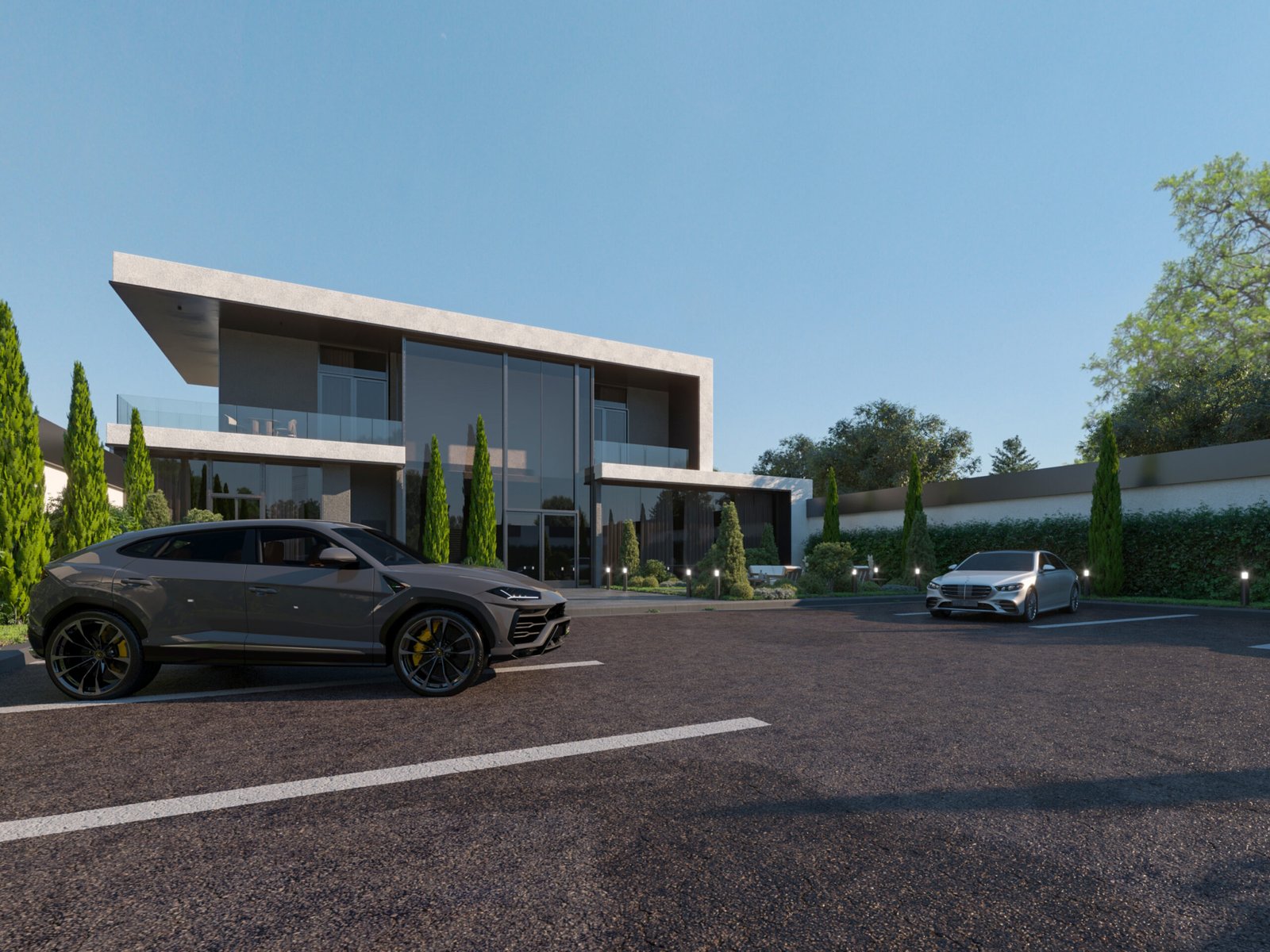
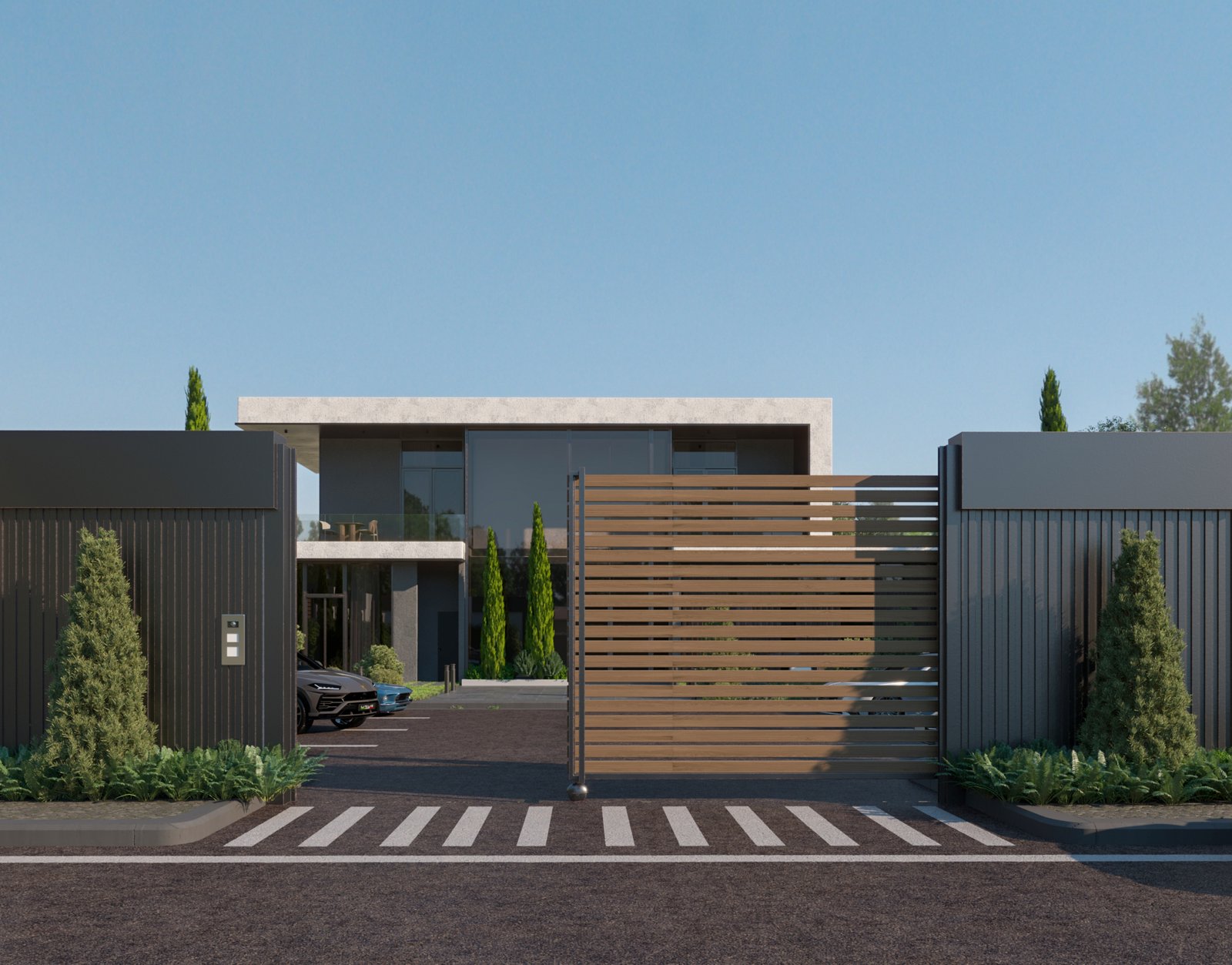
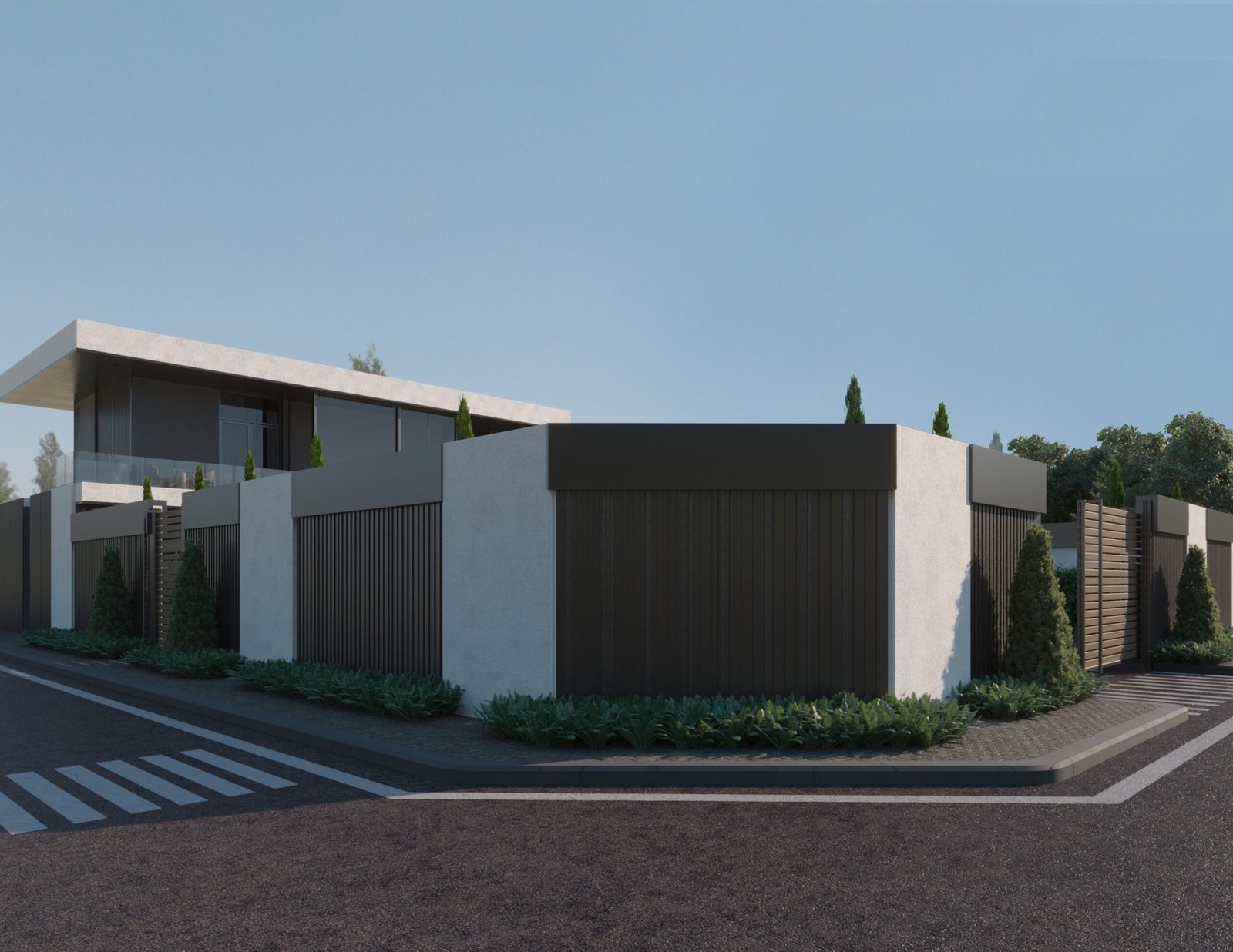
The architectural expression is defined by clean horizontal volumes and a strong geometric composition. Large glass panels create a visual connection between interior and exterior spaces, while carefully positioned landscaping softens the overall form. The approach sequence, from the gated entrance to the main façade, reinforces a sense of arrival and exclusivity.
Natural light plays a key role in shaping the interior atmosphere, enhancing openness while maintaining privacy through controlled transparency. The result is a contemporary villa that respects tradition while embracing modern design principles.
Design concert
The concept is based on “Layered Privacy,” organizing the villa into clear levels. The ground floor serves as a semi-private majlis for male guests, while the upper floor is dedicated to private spaces for female guests, with a public entrance layer connecting both.
This vertical zoning ensures clear circulation, respects cultural values, and uses space efficiently. Architecturally, the idea is expressed through stacked volumes, deep overhangs, and a balance between transparent façades and solid forms.